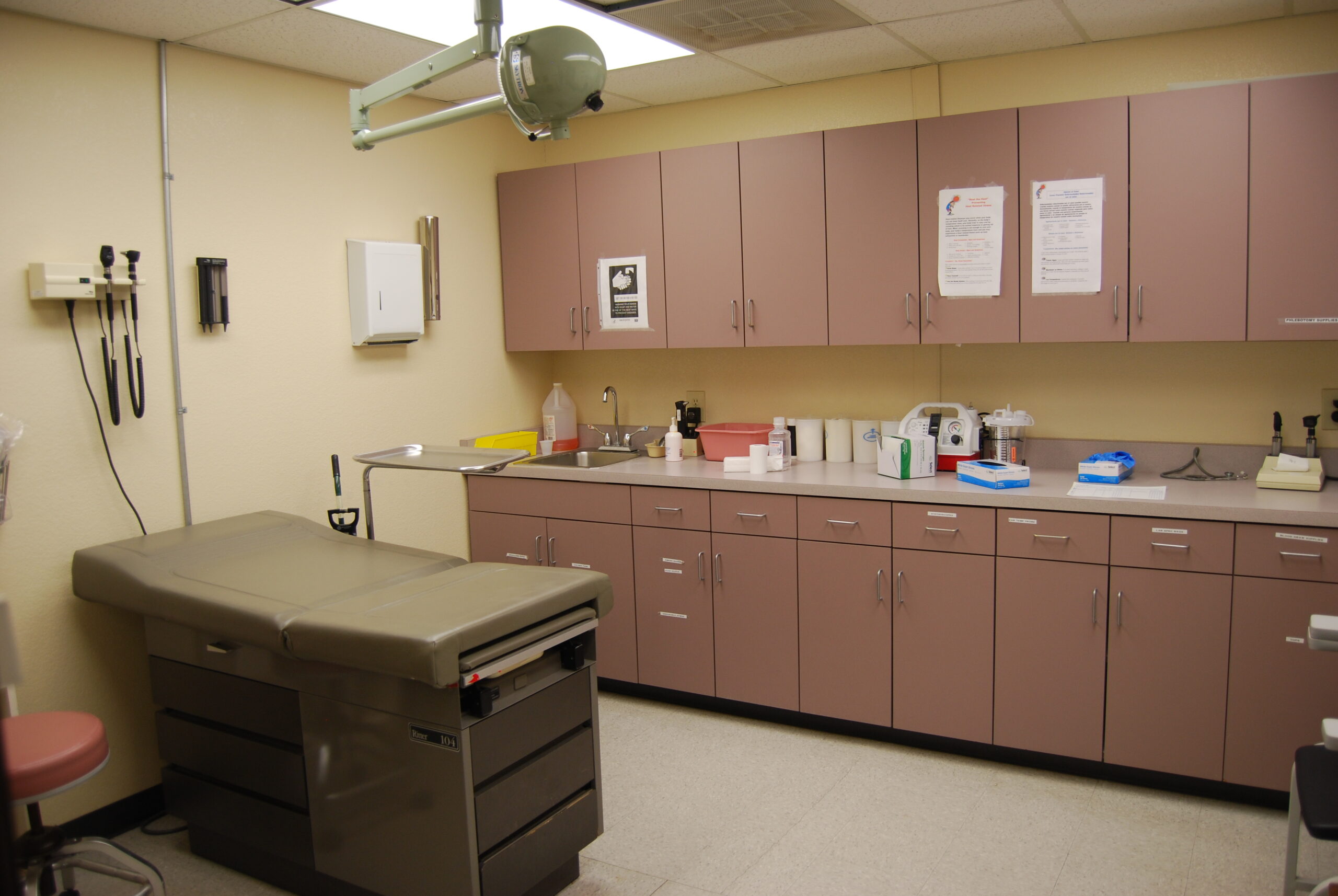
Correctional healthcare cases often involve denial of medical care, delayed treatment, and other serious failures in jail and prison medical systems.
When Jail or Prison Medical Care Fails
Individuals in custody have a constitutional right to adequate medical care under the Eighth and Fourteenth Amendments. When jail or prison officials ignore serious medical needs, delay treatment, mismanage medication, or fail to monitor a deteriorating condition, the consequences can be permanent injury or death. In many situations, families begin searching for a jail medical neglect lawyer when officials ignore or dangerously delay a detainee’s serious medical condition. A correctional healthcare attorney represents individuals harmed when jail or prison officials fail to provide adequate medical care.
Correctional healthcare litigation differs significantly from ordinary medical malpractice. These cases often involve federal civil rights claims under Section 1983, qualified immunity defenses, municipal liability standards, and complex questions of corporate responsibility when private medical contractors provide care.
The law requires facilities to provide reasonable medical care. When facilities ignore that obligation, the law may impose accountability.
Common Correctional Healthcare Violations
We investigate cases involving:
- Failure to diagnose or treat serious medical conditions
- Delayed response to medical emergencies
- Inadequate monitoring of cardiac, diabetic, seizure, or respiratory disorders
- Failure to respond appropriately to withdrawal or detoxification risks
- Psychiatric medication overmedication, abrupt discontinuation, or lack of supervision
- Failure to prevent suicide or self-harm despite known warning signs
- Staff ignoring obvious symptoms of infection, internal bleeding, or medical deterioration
In many cases, medical and incident records reveal clear warning signs that staff documented but failed to address.
Deliberate Indifference and Constitutional Liability
Under federal law, courts may hold jail officials and medical staff liable when they show “deliberate indifference” to a serious medical need. Courts require more than simple negligence to meet the constitutional standard. Instead, the law may require proof that officials consciously disregard a substantial risk of serious harm.
Establishing deliberate indifference requires attorneys to carefully review medical records, staff communications, policy manuals, incident reports, and care timelines. Defendants aggressively contest these cases, which demand precision in pleading and proof.
Private Medical Contractors and Systemic Failures
Many Arizona detention facilities hire private healthcare companies to provide medical services to inmates. When detention systems operate with chronic understaffing, inadequate training, cost-driven medical decisions, or deficient policies, courts may extend liability beyond individual providers.
These cases may involve attorneys examining corporate policies, staffing ratios, prior complaints, internal audits, and patterns of similar incidents. Institutional accountability often requires attorneys to look beyond a single provider to the institutional structure that contributed to the harm.
Strict Deadlines Apply in Arizona
Arizona law imposes strict statutory deadlines against public entities, including Notice of Claim requirements that must be served within a short period. If a claimant fails to act promptly, the law may bar recovery.
Early legal evaluation preserves evidence and protects potential claims.
When a Jail Medical Neglect Lawyer May Be Needed
Families often contact a jail medical neglect lawyer after jail or prison officials repeatedly ignore medical requests, dismiss obvious symptoms, or delay treatment until a condition becomes life-threatening. In detention settings, courts may find that these failures violate the constitutional duty to provide adequate medical care.
What Families Should Do Immediately
- Request preservation of all surveillance video, medical records, and incident reports.
- Obtain autopsy, toxicology, and investigative reports where applicable.
- Avoid providing recorded statements to investigators without counsel.
- Consult an attorney familiar with correctional healthcare litigation as soon as possible.
Consultation with a Correctional Healthcare Attorney
Correctional healthcare cases involve complex facts, extensive documentation, and frequent litigation in federal court. Attorneys must analyze medical records and institutional policies early in the case.
If you believe serious medical neglect occurred in a jail or prison in Arizona, contact a correctional healthcare attorney for a confidential consultation.
Frequently Asked Questions
What qualifies as deliberate indifference in a jail medical case?
Deliberate indifference is a constitutional standard that depends on the custodial context. For sentenced inmates, claims typically arise under the Eighth Amendment and require proof that officials knew of and consciously disregarded a substantial risk of serious harm. For pretrial detainees, claims arise under the Fourteenth Amendment and may involve a different legal analysis focusing on objective unreasonableness rather than subjective intent.
In either setting, the core issue is whether jail officials or medical staff failed to respond reasonably to a serious medical need. This determination often depends on medical records, documented complaints, abnormal vital signs, repeated requests for care, and whether clear warning signs were ignored.
Can a jail be sued for medical negligence in Arizona?
Yes. In certain circumstances, jails and detention facilities may be liable under federal civil rights law for constitutional violations involving medical care. Arizona law imposes strict Notice of Claim deadlines on claims against public entities, making early evaluation important.
Can a private medical contractor be held responsible?
Many detention facilities contract with private healthcare providers. These companies may be liable if their policies, staffing practices, or training failures contribute to constitutional violations. Establishing liability often requires analysis of corporate practices in addition to individual medical decisions.
What is the deadline to file a correctional healthcare claim in Arizona?
Deadlines in correctional healthcare cases are strict and depend on the type of claim. Claims brought under Arizona state law against public entities or public employees generally require service of a formal Notice of Claim within 180 days of accrual. If a claimant fails to act promptly, the law may bar recovery.
Federal civil rights claims under Section 1983 are governed by different limitation periods and do not require a Notice of Claim, but they are still subject to filing deadlines. Because the timeline analysis can vary depending on whether the claim is brought under state or federal law, prompt legal evaluation is critical.
Can families bring a claim after an in-custody death?
Yes. When a detainee or inmate dies due to alleged medical neglect, families may have wrongful death or civil rights claims depending on the circumstances. These cases often require attorneys to review of medical records, surveillance video, incident reports, and autopsy findings.
What damages are available in a correctional healthcare case?
Depending on the facts, damages may include compensation for medical expenses, pain and suffering, loss of life, and other legally recognized harms. In civil rights cases, certain additional remedies may also be available under federal law.