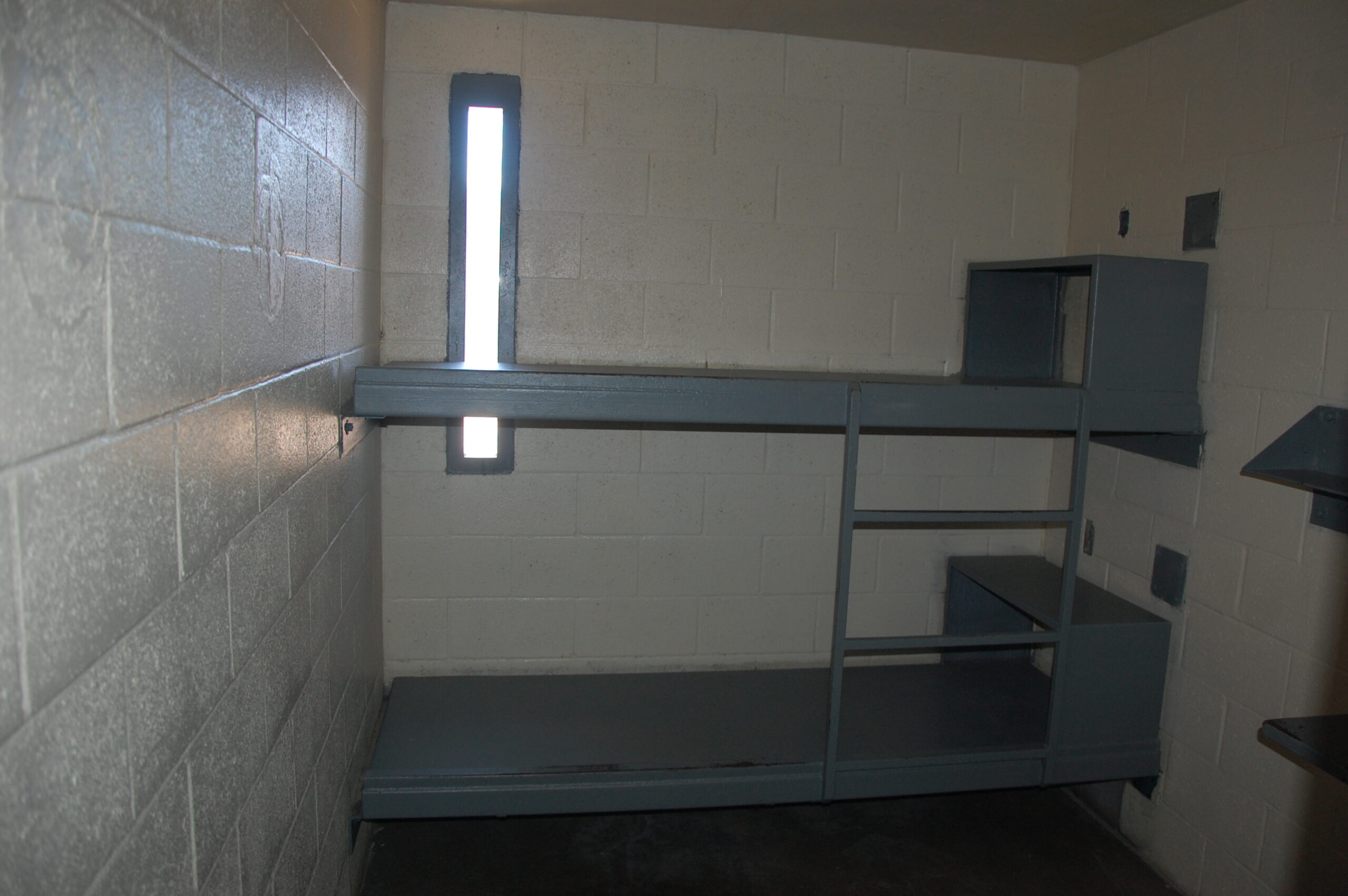
Deaths in custody often occur in jail cells like this when medical emergencies, unsafe conditions, or excessive force go unaddressed.
When a Death Occurs in Jail or Detention
A jail death lawyer represents families when a person dies in custody due to medical neglect, unsafe jail conditions, excessive force, or failure to monitor detainees.
A death in custody is devastating and often unexpected. When an individual enters a jail or detention facility, the government assumes responsibility for their safety and medical care. When that responsibility is ignored, families are left searching for answers.
Many in-custody deaths follow preventable medical deterioration, delayed emergency response, withdrawal mismanagement, medication errors, or failure to monitor high-risk individuals. These cases frequently involve both Arizona wrongful death law and federal civil rights claims under Section 1983.
Why Jail Deaths Occur
- Untreated medical emergencies
- Delayed response to serious medical needs
- Suicide prevention failures
- Inadequate monitoring of withdrawal or detoxification risks
- Overmedication or dangerous medication combinations
- Excessive force followed by inadequate medical response
- Ignored complaints of chest pain, breathing difficulty, seizures, or altered mental status
- Failure to conduct required safety checks
Medical records and incident reports often reveal warning signs that were documented but not acted upon.
Federal Civil Rights Liability
In-custody death cases may give rise to claims under federal civil rights law. For sentenced inmates, claims typically arise under the Eighth Amendment. For pretrial detainees, claims arise under the Fourteenth Amendment and may focus on whether officials acted in an objectively unreasonable manner.
These cases frequently involve qualified immunity defenses, municipal liability analysis, and review of institutional policies. Accountability may extend beyond individual staff members to the agency or private medical contractor responsible for systemic failures.
Arizona Wrongful Death and Notice of Claim Requirements
Arizona law allows certain surviving family members to bring wrongful death claims. Claims against public entities or employees generally require service of a formal Notice of Claim within 180 days. Missing this deadline can bar state-law recovery.
Federal civil rights claims do not require a Notice of Claim, but they are subject to filing deadlines. Early legal evaluation is critical to preserving potential claims.
What Families Should Do Immediately
- Request preservation of all surveillance video, medical records, and incident reports.
- Obtain autopsy and toxicology reports as soon as available.
- Identify witnesses and preserve contact information.
- Avoid providing recorded statements without legal counsel.
- Consult an attorney experienced in civil rights and correctional litigation promptly.
Confidential Consultation
Jail death cases are complex, document-intensive, and heavily defended. They require careful record review, timeline reconstruction, and policy analysis.
If you believe a loved one died due to medical neglect, delayed care, or failures by jail staff or contracted medical providers, contact us for a confidential consultation.
Frequently Asked Questions
Is every jail death a civil rights case?
No. A civil rights claim depends on whether officials or medical providers failed to respond reasonably to a serious risk. Each case requires factual evaluation.
Can a private medical contractor be liable?
Yes. When private companies provide correctional healthcare, liability may extend to corporate policies, staffing practices, and systemic failures that contributed to the death.
Do Arizona Notice of Claim rules apply?
Arizona state-law claims against public entities generally require a Notice of Claim within 180 days. Federal civil rights claims do not require a Notice of Claim but are subject to filing deadlines.