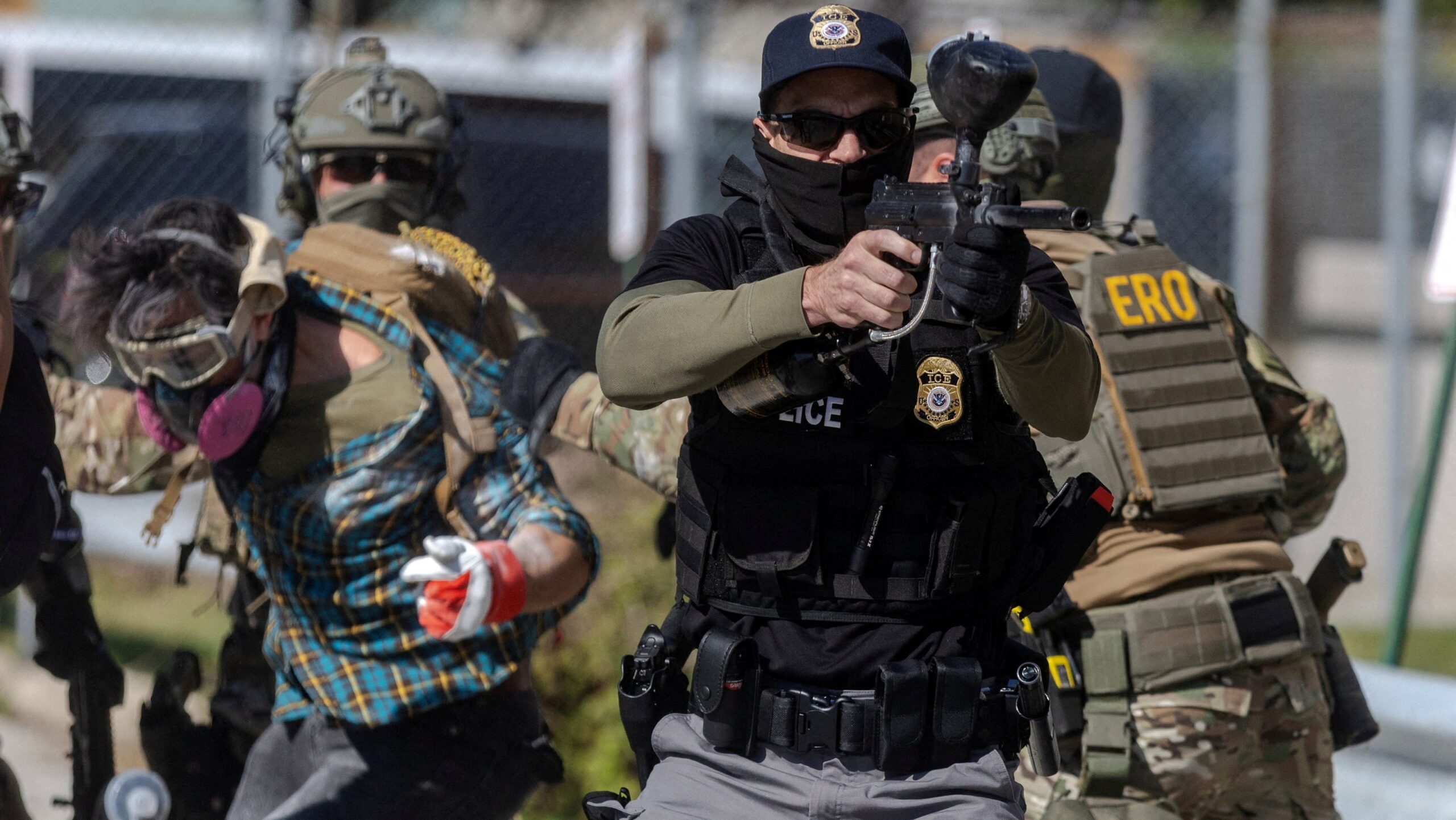
 A Complete Guide to Suing the Federal Government for ICE Detention Abuse
Why ICE is in the public conversation
In early 2026, ICE isn’t operating quietly in the background. Court rulings, funding fights, detention expansion plans,
and contractor headlines have pushed detention practices back into the spotlight.
This isn’t just politics. When detention expands faster than compliance and oversight, the predictable result is litigation:
wrongful detention, preventable deaths, excessive force, and serious abuse claims.
Plain English: more detention + weak safeguards = more harm. And harm creates liability.
The FTCA framework
The Federal Tort Claims Act (FTCA) is a limited waiver of sovereign immunity. It allows lawsuits against the United States
for injuries caused by federal employees acting within the scope of their employment.
It’s narrow. It’s technical. And the government defends these cases aggressively.
What makes an ICE case actionable
To succeed under the FTCA, you generally must show:
- A recognized state-law tort (negligence, assault, false imprisonment, etc.)
- Caused by a federal employee (not an independent contractor)
- Acting within the scope of employment
- Under circumstances where a private person would be liable and
- Administrative remedies were exhausted first
Reality check: If you miss a deadline or skip the administrative claim step, the case can be dismissed before it starts.
Wrongful detention
ICE detention is civil, not criminal. When detention extends beyond lawful authority, becomes unreasonable,
or violates required procedures, it may support an FTCA claim framed as false imprisonment or negligence under state law.
Excessive force and assault
The FTCA normally bars intentional tort claims, but it includes an important exception for law enforcement officers. That can allow
assault and battery claims to proceed against the United States when federal officers act within the scope of employment.
Medical neglect and suicide in detention
Medical neglect claims often involve delayed emergency response, failure to provide necessary medication, ignored warning signs,
and missed suicide-risk screening. These cases can be viable when mandatory procedures and standards are not followed.
Framing matters: Don’t plead “bad policy.” Plead failure to follow required steps.
The Discretionary Function Exception
The government’s favorite defense is the Discretionary Function Exception. It argues certain actions are protected policy choices.
A key distinction is policy design versus implementation, especially where mandatory “shall” directives are ignored.
Private detention and contractor defenses
Many detainees are held in privately run facilities. The FTCA excludes independent contractors, which the government uses as a shield.
But contractor operation does not automatically erase federal responsibility for required oversight and non-delegable duties,
depending on the facts and applicable state law.
Sexual abuse in custody
PREA sets standards for prevention and response, but it does not automatically create a private lawsuit by itself.
Where staff abuse is ignored or covered up, liability can extend beyond the perpetrator to failures in supervision and protection.
Why I take these cases
I represent people harmed in custody. These cases aren’t easy. The deadlines are strict, and the federal government defends them aggressively.
But detention is not supposed to be punishment. If the government detains someone, it assumes responsibility for their safety.
Frequently Asked Questions
Can you sue ICE for wrongful detention?
Yes, in certain circumstances. These cases are often framed as false imprisonment or negligence under state law, brought through the FTCA.
Can you sue the federal government for excessive force?
Yes. Assault and battery claims may be allowed under the FTCA when committed by federal law enforcement officers within the scope of employment.
Do you have to file an administrative claim first?
Yes. You must file an administrative claim with the correct agency before filing an FTCA lawsuit. Missing this step can end the case immediately.
What is the Discretionary Function Exception?
It’s a defense claiming protected policy judgment. It may not apply when mandatory rules and required procedures are violated.
What if the detention facility is privately operated?
Contractor operation complicates FTCA claims, but the U.S. may still be liable for its own failures depending on control, oversight duties, and state law.
Can you recover emotional distress damages?
Yes. The FTCA allows compensatory damages such as pain and suffering, emotional distress, medical expenses, and wrongful death damages. Punitive damages are not available.
What’s next in this series
- How the Discretionary Function Exception actually works (and how to plead around it)
- Suicide in ICE detention: what families need to know
- Assault and battery by federal officers
- Contractor-run detention facilities and liability
- Filing a Standard Form 95 correctly
- Federal detention litigation in Arizona
- For context, read: ICE Detention Abuse: What Actually Creates Federal Liability.
Need to talk to a lawyer?
If you believe you or a family member was harmed in ICE or federal custody, don’t wait. Deadlines are strict and early framing matters.
Disclaimer: This page is general information, not legal advice. Every case is fact-specific.